

Tote Bag vs Canvas Bag: The Ultimate Guide for Travel, Wholesale, and Custom Solutions
698
Introduction
In today’s world, where consumers demand sustainability without sacrificing style or functionality, choosing between a general tote bag and a canvas bag has become more nuanced. Both are practical carriers, but subtle material, manufacturing, and design differences can significantly influence performance, brand impact, and user satisfaction.
As an expert in accessory manufacturing and sourcing, I maintain that selecting the right bag—whether it’s a versatile Travel Tote Bag, a high-volume wholesale Tote Bag, a bespoke custom tote bag, or a custom canvas bag—requires a comprehensive understanding of each option’s strengths and limitations. This guide delves into material science, use‑case scenarios, sustainability considerations, cost analyses, and branding strategies to help you make informed decisions that align with your objectives.

1. Defining the Contenders: Tote Bag and Canvas Bag Unpacked
At its core, a tote bag is defined by its simple structure: a roomy interior with two handles, designed for ease of access and maximum load capacity. Over the decades, designers have experimented with textiles ranging from polyester blends to recycled nylon, but the original concept remains unchanged—a straightforward carrier for life’s daily necessities.
Conversely, canvas bags refer specifically to totes constructed from canvas fabric. Canvas is a tightly woven material—traditionally cotton or linen—that boasts remarkable tensile strength and resistance to wear.
When approaching a Tote Bag manufacturer, you might begin by specifying dimensions, handle style, and closure type—open top, magnetic snap, or zipper—but material choice sets the foundation. Standard cotton broadcloth can keep unit costs low and satisfy Eco‑minded customers. Yet, if durability is paramount, canvas’s dense weave will outlast lighter fabrics by months or even years.

2. Material Journeys: From Raw Fiber to Finished Product
Tracing the life-cycle of a bag’s material illuminates why the canvas bag has earned its reputation for robustness. In the fiber stage, canvas begins as cotton bolls or flax stalks, spun into yarns that undergo weaving under high tension to create a fabric that resists tearing. This process consumes water and energy, but innovations—such as low‑water dyeing and organic farming practices—have begun to mitigate environmental impact.
In contrast, synthetic tote bags—often found in the Travel Tote Bag category—derive from petroleum‑based polymers sculpted into filaments. These materials excel in water resistance and weight savings, which is why travelers appreciate them for fold‑flat packing and quick drying after exposure to rain.
However, they lack the biodegradable properties of natural fibers, raising disposal concerns. Recognizing this, many brands now experiment with recycled PET blends—transforming plastic bottles into durable tote fabrics that balance performance and Eco‑consciousness.

3. Crafting the Perfect Travel Tote Bag
A Travel Tote Bag is expected to serve as a carry‑on, beach day essential, or even a makeshift overnight bag for the modern globetrotter. The ideal travel tote emerges from a synergy of thoughtful design and high‑performance materials.
A nylon-canvas hybrid may include reinforced canvas bases, rip-stop nylon bodies for water resistance, soft-lined tech pockets, hidden compartments, and adjustable padded handles. These features require close collaboration with a professional Tote Bag manufacturer from development to manufacturing.
Prototypes are tested for zipper function, strap tension, and internal organization to ensure the final product performs in real-world travel conditions. The Travel Tote Bag becomes not just an accessory but a daily essential, earning trust and repeat purchases.
4. The Wholesale Tote Bag Playbook
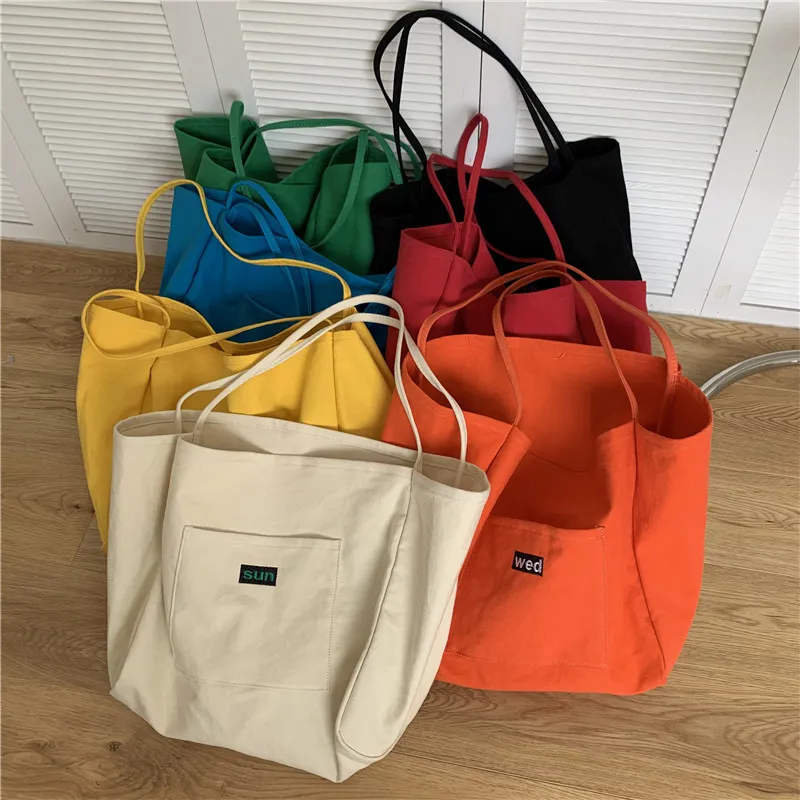
Ordering wholesale tote bags means thinking about scale and systems for corporate buyers, NGOs, event organizers, and retailers. You need consistency, quality, and cost efficiency across hundreds or even thousands of units.
Wholesale production typically involves lower-cost materials and faster timelines, but that doesn’t mean sacrificing impact. A lightweight cotton tote, screen-printed with a clean logo, becomes a walking advertisement. Some brands offer seasonal, limited-edition designs to increase engagement and perceived value.
When selecting a Tote Bag manufacturer, it is vital to review certifications, production capacity, and previous projects. Savvy buyers ask for samples, request print mockups, and clarify delivery schedules in advance to avoid miscommunication. A reliable manufacturer becomes a long-term partner, helping you manage inventory, scale responsibly, and meet deadlines.
5. Custom Canvas Bag Excellence: When Art Meets Function
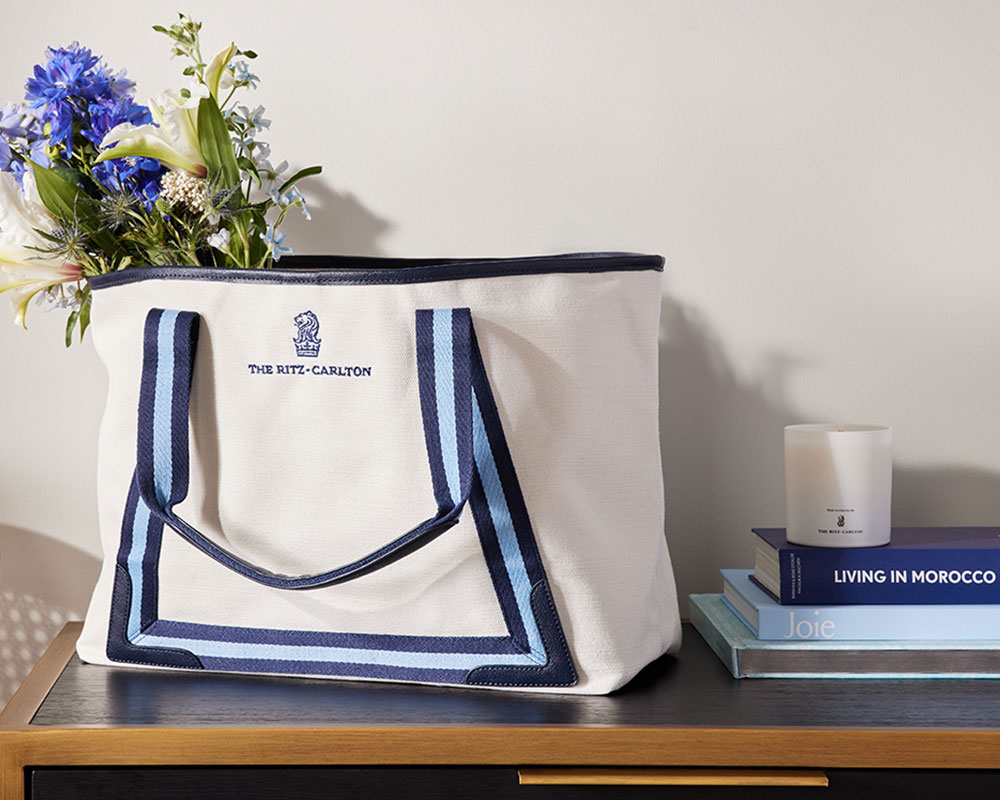
In the premium tier, a custom canvas bag offers functionality and storytelling. With heavy-duty fabric, artisan techniques, and personalized finishes, it communicates luxury, durability, and craftsmanship.
Brands may use stonewashed or enzyme-washed canvas for a vintage feel, add wax coatings for weatherproofing, or incorporate leather straps and brass hardware for aesthetic appeal. These aren’t just bags—they’re experiences.
A custom canvas bag is perfect for fashion labels, sustainable lifestyle brands, or Eco-luxury campaigns. These projects require extended timelines, iterative prototyping, and an experienced Tote Bag manufacturer who understands low-MOQ premium projects. But the payoff is immense: premium retail pricing, customer loyalty, and Instagram-ready visuals that help build a brand’s cultural capital.
6. Balancing Sustainability and Scalability
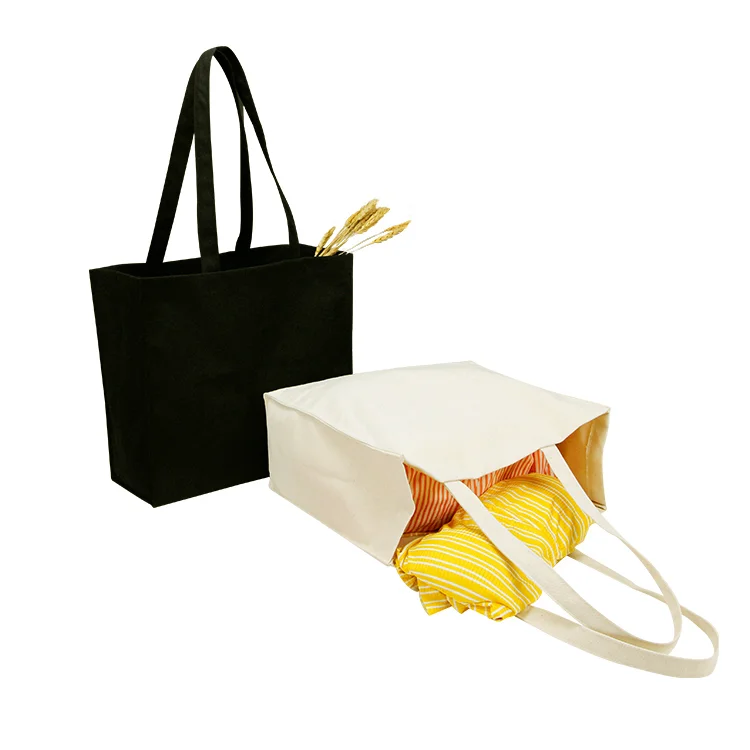
Eco-conscious design is no longer a niche—it’s a necessity. Both tote and canvas bags offer environmental benefits, especially when replacing disposable plastics. However, sustainability isn’t only about materials but the whole life-cycle.
Canvas bags made from organic cotton or recycled blends often last longer and degrade naturally, minimizing landfill waste. Tote bags made from rPET reduce dependence on virgin petroleum. Ethical sourcing, minimal dye chemicals, water-efficient production, and take-back recycling programs are all ways to strengthen your sustainability story.
Brands should communicate these benefits clearly—on product tags, websites, and social media—to attract customers who care. Certifications, life-cycle data, and behind-the-scenes factory stories build trust and transparency.

7. Cost Considerations: Budgeting for Value
Price is always a factor when choosing between a tote and a canvas bag, but it shouldn’t be the only one. A lightweight cotton tote may cost under $2 at scale, while a custom canvas bag, depending on design, might range from $5 to $10.
The decision comes down to purpose: Is the bag a promotional giveaway? A resale item? A gift-with-purchase? A merchandise piece? For each intent, calculate the total cost of ownership: production, packaging, shipping, duties, and returns.
A good Tote Bag manufacturer will help you develop flexible pricing models and avoid hidden costs. Remember: Cutting corners may save you money upfront, but will damage your brand in the long run.
8. Maintenance, Care, and Customer Education
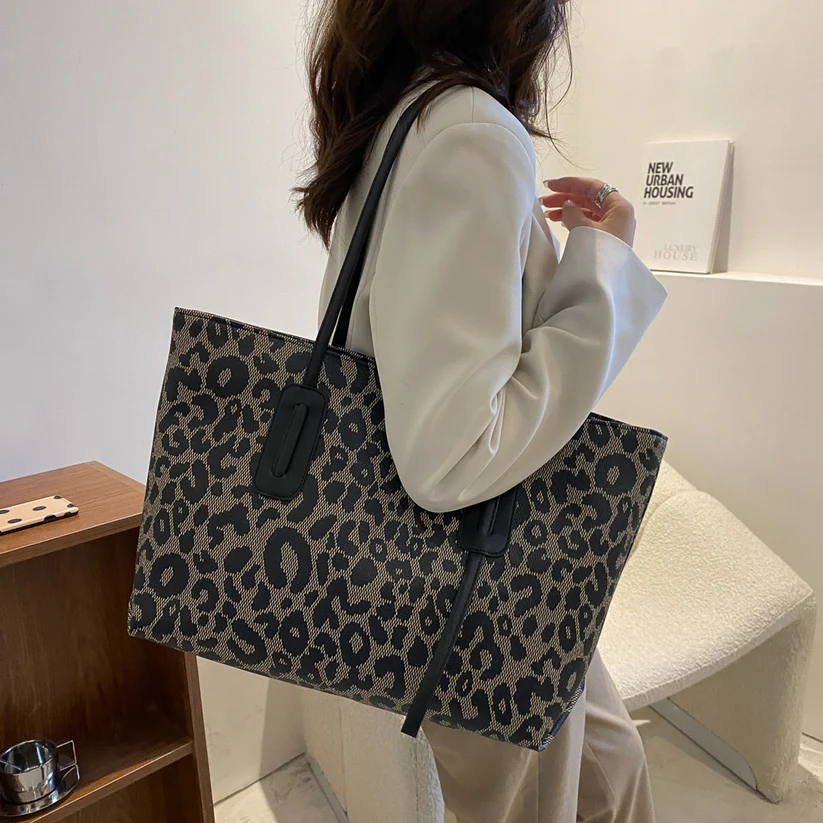
A product’s life-cycle extends into the customer’s home. By educating users on care instructions, you protect your product and your reputation.
For canvas bags, spot clean with mild detergent, air dry, and avoid machine washing unless otherwise specified. For travel totes with synthetic blends, use a gentle cycle and cold water, then hang to dry.
Include care cards in packaging or a QR code linking to video instructions. Little details like this boost perceived quality and reduce customer complaints. A cared-for bag lasts longer, looks better, and increases brand loyalty.
9. Final Thoughts: Which Bag Should You Choose and Why It Matters
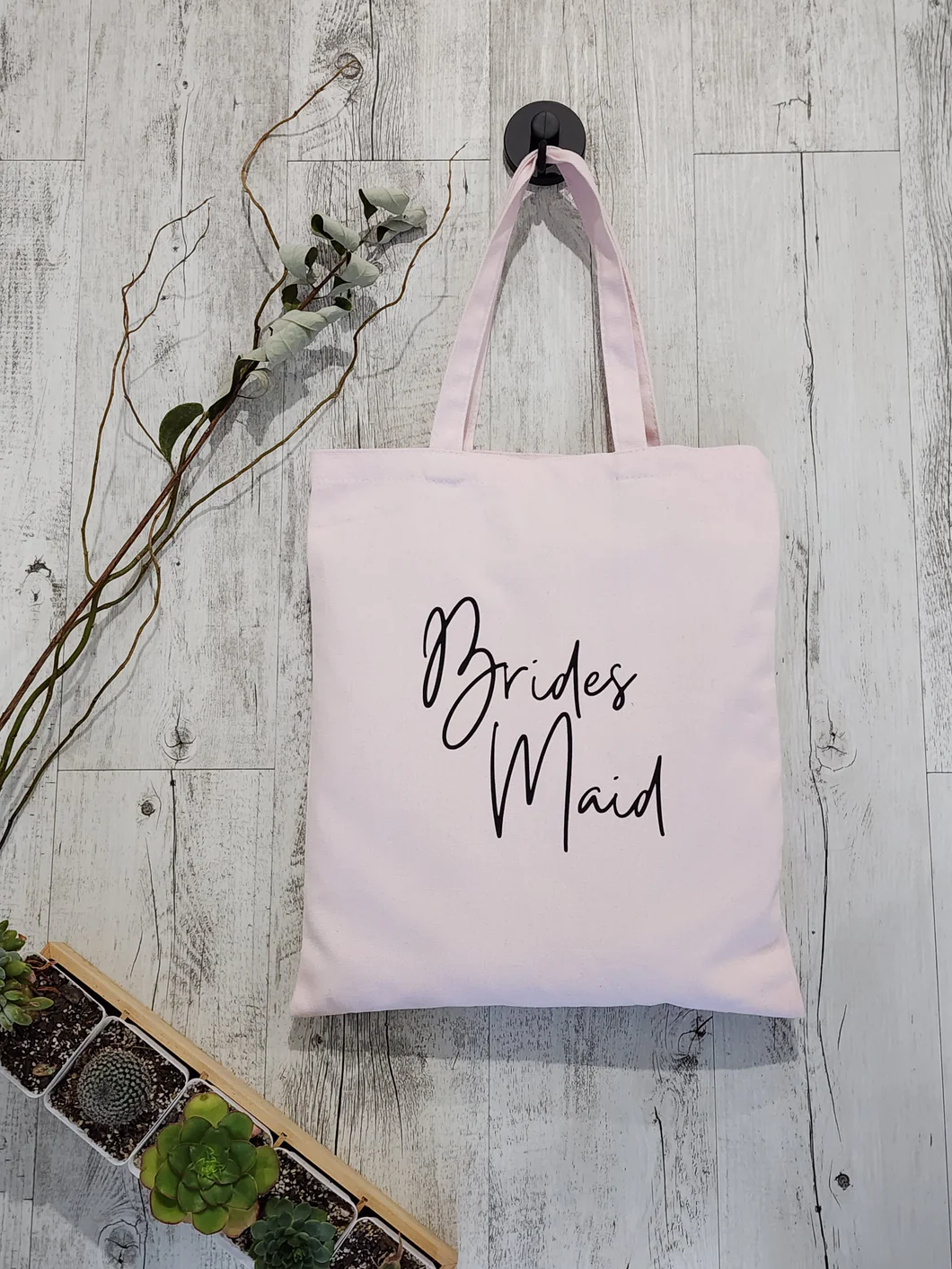
Choosing between a tote bag and a canvas bag goes far beyond just material preference—it’s a strategic decision that affects how your brand is perceived, how your product is used, and how sustainable your supply chain is. Whether you’re a buyer for a global retail brand, a small business exploring a limited run of custom tote bags, or an event organizer looking to order wholesale tote bags, understanding the core differences between these two bag categories is essential.
With its broad design flexibility, lightweight options, and affordable pricing, a tote bag is often the go-to for promotional campaigns, quick-turnaround events, or projects where volume is key. Its adaptability makes it ideal for mass customization and large-scale distribution. Suppose you’re sourcing for a conference, trade show, or retail giveaway. In that case, a classic wholesale tote bag produced efficiently by a reliable manufacturer is the logical and cost-effective solution.
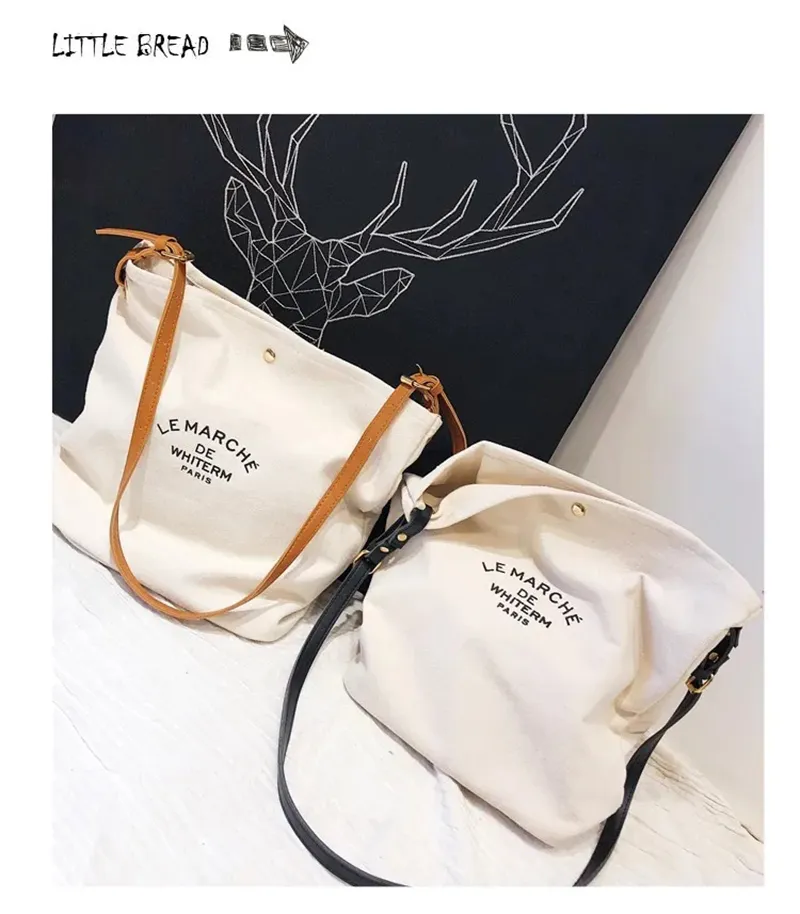
On the other hand, a canvas bag—thanks to its thicker weave and more structured form—suits high-end retail, lifestyle, and design-centric applications. A custom canvas bag communicates craftsmanship, quality, and durability. It is the right choice when launching a lifestyle product line, building a fashion accessory collection, or seeking to make a lasting impression through a more substantial, durable carrier. For customers who value long-term use, tactile quality, and a sense of premium ownership, canvas is a material that pays dividends.
Canvas bags align well with sustainable messaging, mainly when constructed from organic or recycled materials. They are more likely to be reused, making them ideal as a Travel Tote Bag or grocery companion. Moreover, canvas handles heavier loads better, which enhances user satisfaction over time.
Regarding branding strategy, both bags offer excellent imprinting surfaces for logos, slogans, or full-bleed artwork. However, the message you send with each is different. A lightweight tote says accessible, modern, functional. A heavyweight canvas bag says intentional, thoughtful, refined. When your branding decisions must reflect your values, audience, and aspirations, the bag you choose becomes a symbolic extension of your brand story.
So, which should you choose? If you need versatility and scale, use a standard custom tote bag. Opt for the custom canvas bag if you focus on building an elevated brand image with reusable, resilient packaging. Better yet, partner with a responsive tote bag manufacturer who can offer both and guide you on the best choice based on your intended use, timeline, and budget.
The tote versus canvas debate doesn’t have to be a dilemma. It’s an opportunity to align your material choices with your brand voice, sustainability goals, and end-user satisfaction.
FAQ: Common Questions About Tote Bags vs. Canvas Bags
Q1: Is a canvas bag the same as a tote bag?
Not exactly. A canvas bag is a tote bag explicitly made from canvas fabric. Tote bags can be made from many other materials as well, such as nylon, polyester, or jute.
Q2: What makes canvas bags more durable?
Canvas is a heavy-duty woven fabric that resists tearing and wear. Its dense weave and weight give it strength and longevity, making it ideal for long-term, high-use scenarios.
Q3: Are canvas bags environmentally friendly?
Yes, especially when made with organic or recycled canvas. Many brands use GOTS-certified cotton or rPET-infused canvas to minimize environmental impact.
Q4: What’s the best type of bag for travel?
A Travel Tote Bag with a durable, lightweight shell (like nylon-canvas hybrids), secure closures, and multiple compartments is best for mobility and convenience.
Q5: How do I choose a good Tote Bag manufacturer?
Look for experience, production capability, material options, certifications, and communication responsiveness. Ask for samples and lead time estimates before ordering.
Q6: Can I brand both tote and canvas bags?
Yes. Tote bags often use screen printing or transfers. For luxury designs, canvas bags are excellent for embroidery, full-color ink printing, and even laser etching.
Q7: Which is better for wholesale?
Tote bags made from lightweight cotton or non-woven materials are more budget-friendly for wholesale Tote Bag orders. Canvas bags are better for smaller, premium runs.
Q8: How should I maintain these bags?
Spot clean canvas bags with cold water and mild soap. Avoid high heat. Unless labeled otherwise, synthetic totes are usually safe for hand-washing or gentle machine cycles.
Hot products
-
-
Eve Desay Catl Hithium Cornex Rept Lifepo4 3.2V 280Ah Battery Cells
Learn More -
51.2V 314AH Power Tower 16.08kWh Home Storage Battery
Learn More -
NOVACELL 36V 48V 15Ah 20Ah electric bike battery pack
Learn More -
51.2V 200AH Rack Mounting Battery 10.24kWh Home Storage Battery
Learn More
News Recommend
-
-
-
-
-
-
-

-
-
-
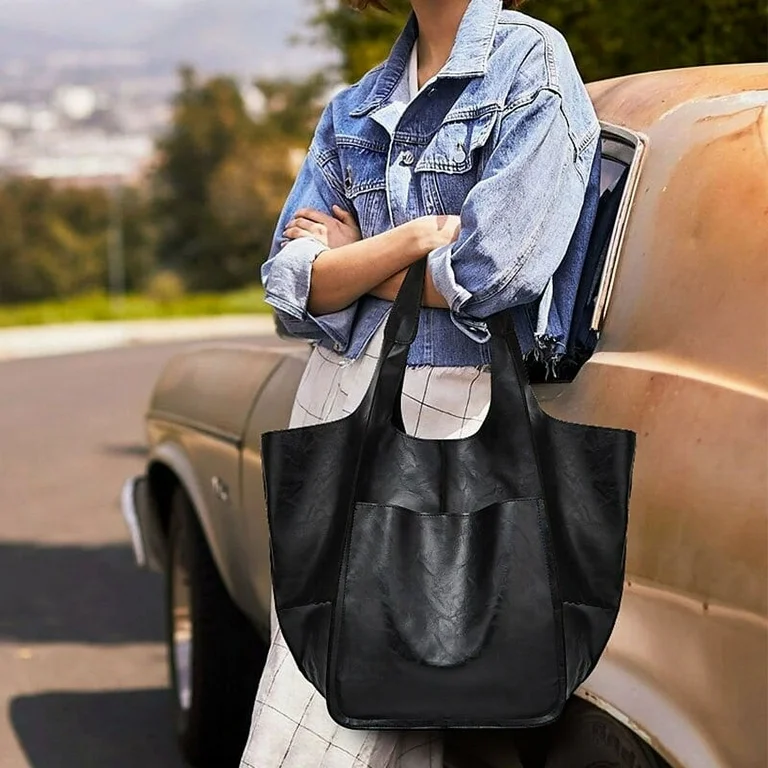
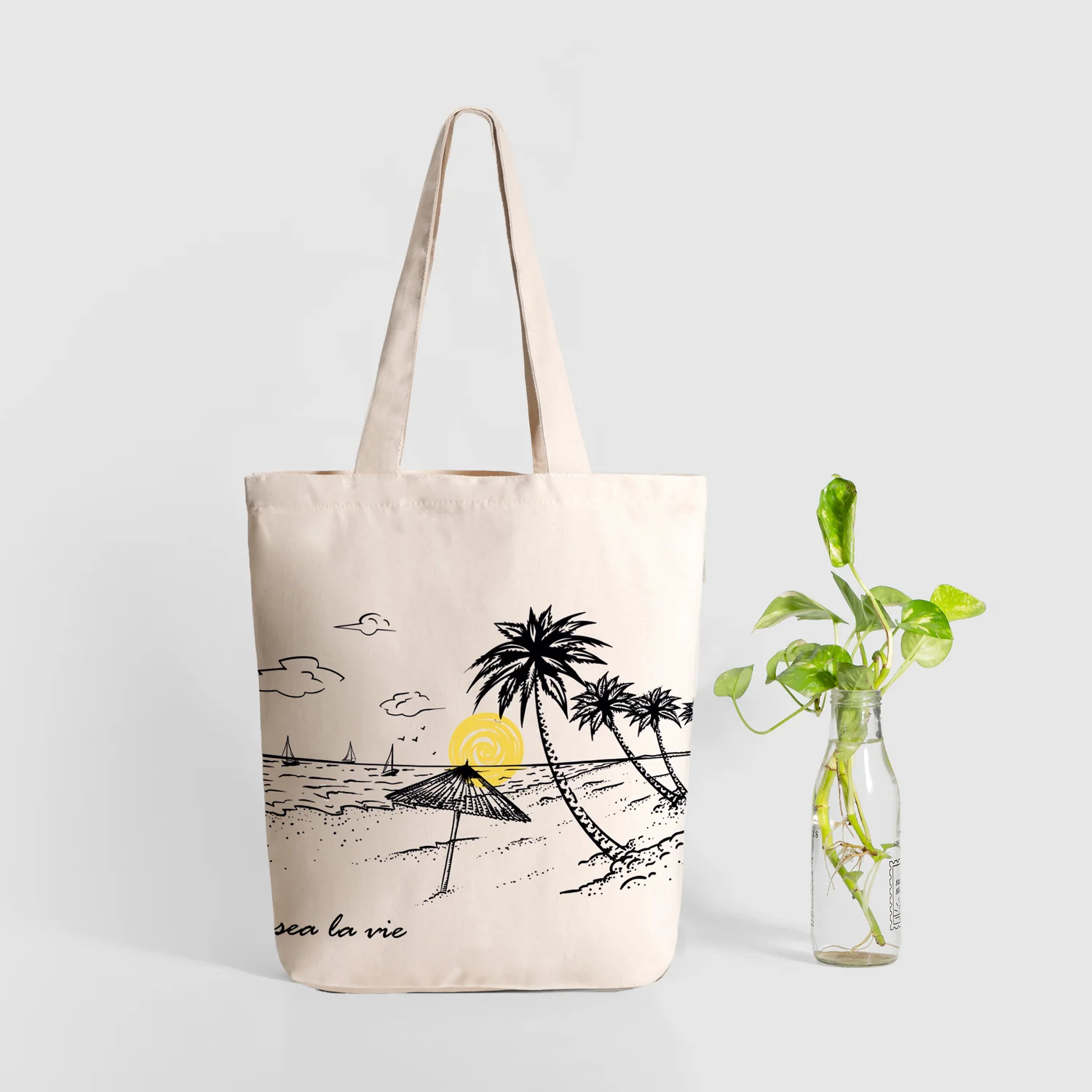
The ultimate guide to tote bags: finding the perfect style and material for you
Dec.24.2024 Learn More