

How to Wash Bread Bags: Comprehensive Expert Guide
416
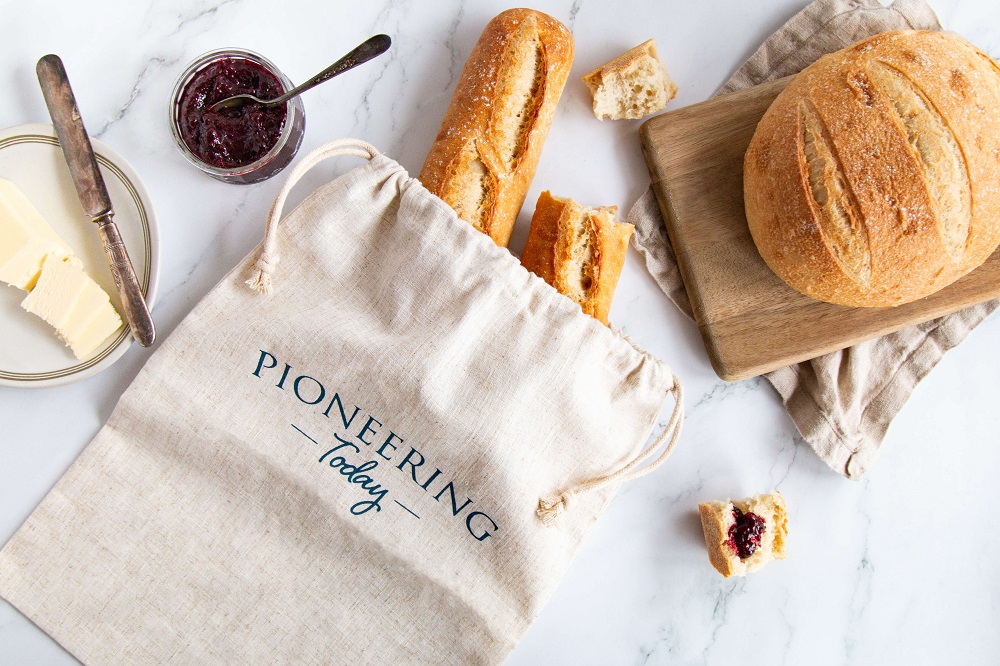
Washing your reusable bread bags is far more than a household chore—it is the bedrock of food safety, a driver of product longevity, and a tangible expression of Eco-conscious living. From custom bread bag designs showcasing artisanal bakery logos to bulk wholesale bread bag orders supplying cafe chains, maintaining pristine storage conditions ensures that every crust and crumb retains its intended flavor, texture, and aroma. In this in-depth guide, you will discover professional-grade techniques grounded in textile science, practical workflows tailored to different operational scales, and forward-thinking strategies to minimize environmental impact while maximizing return on investment. Structured into eight comprehensive sections, this article equips home bakers and industry professionals alike with the knowledge and confidence to treat bread bag care as an essential craft rather than a mere afterthought.
1. Core Principles of Bread Bag Hygiene
At its heart, effective bread bag hygiene upholds three interdependent principles: meticulous debris removal, controlled moisture management, and gentle fabric preservation. When crumbs accumulate in corners or seams, they become nutrient-rich micro-environments for mold spores; when moisture lingers after a wash, it weakens fibers and creates the very dampness mold thrives on; and when harsh chemicals or high-temperature cycles are misapplied, even premium materials can lose tensile strength and color vibrancy. By methodically addressing each pillar—starting with an initial crumb purge, progressing through targeted stain treatment, and culminating in careful drying—you can consistently break the mold-too-late cycle that leads to unpleasant odors, unsightly stains, and premature bag retirement. Ultimately, this triad of actions fosters a virtuous cycle: cleaner bags lead to fresher bread, which leads to less waste, fewer replacements, and a smaller environmental footprint.
2. Fabric Science: Tailoring Your Approach
Understanding material properties is the foundation of any successful cleaning regimen. Canvas, woven from dense cotton or cotton blends, provides superior breath-ability, allowing residual moisture from freshly baked loaves to evaporate gradually. However, its absorbent nature makes it prone to shrinking if washed in hot water, and its natural fibers can retain odors when detergents do not penetrate fully. Nylon, a synthetic polymer known for its hydrophobic surface, repels water and dries rapidly, but static electricity can attract lint and dust, and insufficient drying can trap moisture in creases. Polyester, another synthetic favorite, offers resilience against stretching and fading, though its heat-sensitive fibers can distort under high-temperature drying. Some custom bread bag manufacturers apply antimicrobial coatings—such as silver-ion treatments or naturally derived enzymes—to inhibit bacterial growth; these coatings can degrade if exposed to bleach or overly abrasive detergents.
By aligning wash parameters—water temperature, detergent type, agitation level, and drying environment—with each fabric’s tolerance thresholds, you maintain functional performance, visual appeal, and protective qualities. Always consult specification sheets or labels provided by your bread bag manufacturer, especially for custom or specialized materials, and log any deviations to refine your protocol over time.
3. Preparing for Washing: The Pre-Clean Checklist
The pre-clean phase sets the stage for an effective, damage-free wash. Begin by turning each bag inside out and shaking vigorously to dislodge loose crumbs; for stubborn particles, use a soft-bristled brush at the seams and corners. Next, visually inspect for visible stains—whether from oily focaccia or berry-studded loaves—and apply a mild, food-safe pre-treatment on affected areas. Test detergents and spot treatments on an inconspicuous patch to safeguard against color bleeding or fabric distortion, particularly on printed logos of custom bread bag designs. Cross-reference manufacturer labels: these often include wash symbols, maximum recommended temperatures, and cautions against bleach or optical brighteners. For wholesale bread bag shipments comprising mixed materials, segregate bags by type to prevent accidental exposure to incompatible wash cycles.
This deliberate checklist minimizes the risk of irreversible damage, saving time and replacement costs in the long run. Maintaining a log of test results and wash experiences—especially in commercial settings—also supports consistent staff training and quality control.
4. Washing Techniques: From Hand to Machine
Hand-Washing Protocol
Hand-washing remains the gold standard for preserving structural integrity. Fill a clean basin with lukewarm water and dissolve a small quantity of gentle detergent free from enzymes and fragrances that can linger in fibers. Submerge the bag completely, letting it soak for 10–15 minutes to loosen oils and odors. Use your hands to perform rolling and pressing motions, focusing on handles, seams, and closures where soils concentrate. Rinse under a steady, moderate-pressure stream until no bubbles remain, then proceed to moisture extraction.
Moisture Extraction
Avoid wringing, which can twist and weaken fibers. Instead, lay the bag flat on a clean towel, fold it over, and apply even pressure to pull water into the towel. For larger bags, roll them in the towel like a jelly roll to maximize water absorption.
Machine-Washing Protocol
In larger operations, machine washing offers speed and consistency. Place up to six nylon or polyester bags into a mesh laundry bag to prevent abrasion and zipper damage. Use a gentle cycle with cold or warm water, selecting low spin speeds to reduce mechanical stress. Always choose mild, phosphate-free detergents, and explicitly skip fabric softeners, which can undermine breath-ability. Immediately remove bags at cycle end to prevent wrinkles or mildew.
By alternating hand and machine methods based on bag material and soiling level, you achieve a cost-effective balance between labor and longevity.
5. Special Care: Canvas and Synthetics United
Canvas-Specific Best Practices
After washing, reshape canvas bags on a flat surface, drawing them gently back to their original dimensions. Dry in indirect sunlight or shaded outdoors to preserve dyes; avoid direct sun for extended periods, as UV rays can fade prints. Annually, consider a food-safe wax or silicone-based treatment—often available through bread bag manufacturers—to restore water repellency without compromising breath-ability.
Synthetic Fabric Maintenance
For nylon and polyester, thorough drying is paramount. Hang nylon bags by their reinforced straps to encourage moisture runoff; for polyester, lay flat on a mesh rack to maximize airflow. In humid climates or seasonal storage, rotate bags periodically—airing them in a low-humidity environment—to prevent mold footholds. If static cling becomes persistent, include a dryer-safe anti-static sheet in low-heat or air-only dryer cycles, taking care to remove it before the next fresh batch.
These specialized touches extend bag life by mitigating the specific risks each fabric faces.
6. Bulk Operations and Storage Strategies
High-volume bread bag users—from artisan bakeries to hotel chains—must marry operational efficiency with meticulous care. Initiate a color-coded tagging system: assign colored ribbons or labels to categorize canvas, nylon, and polyester batches. Develop a rolling schedule for washing to ensure no group remains idle for too long, and maintain a reserve inventory equal to at least one full day’s usage. Engage your bread bag manufacturer to explore professional refurbishment offerings; many suppliers accept returns for deep-cleaning, reproofing, or repair.
For storage, avoid plastic bins that trap humidity. Opt for wire shelves or open wicker baskets, placing silica gel packets or dried lavender sachets inside to absorb stray moisture and impart a subtle, natural fragrance. Keep storage areas clean, well-ventilated, and away from direct heat sources such as ovens or steam tables.
By standardizing these practices, you minimize downtime, prevent cross-contamination, and uphold the highest hygiene standards demanded by health regulations.
7. Extending Lifespan and Troubleshooting FAQs
Rotation and Inspection
Rotate between at least three to four bags in active use to distribute wear evenly. After each wash, conduct a quick inspection—look for loose threads, tiny snags, or seam separations. Address minor repairs immediately with matching thread and a simple backstitch; delaying fixes can lead to larger tears requiring professional replacement.
Common Questions
Can I use bleach?
Bleach breaks down natural and synthetic fibers and leaves potentially harmful residues. Instead, choose oxygen-based stain removers or enzyme detergents approved for food contact.
Is tumble drying safe?
Only recommended on an air-only or very low-heat setting for canvas; avoid tumble drying synthetics to prevent fiber distortion.
Why do custom bags require special care?
Custom bread bags often incorporate screen-printed logos, embroidery, or antimicrobial finishes that can degrade under harsh conditions. Always follow the manufacturer’s bespoke instructions to preserve these features.
By systematically troubleshooting and adhering to preventative measures, you can often correct small issues before they necessitate complete replacement.
8. Conclusion: Professional Care for Lasting Freshness
Like fine patissiers calibrating ovens to the precise degree, conscientious bakers and hospitality professionals understand that the journey to perfect bread extends beyond baking. It encompasses every step, from mixing ingredients to storing finished loaves in impeccably maintained bread bags. By embracing these eight expert-driven strategies—anchored in scientific insights, operational pragmatism, and sustainability—you cultivate an ecosystem where brand longevity, brand reputation, and environmental stewardship reinforce one another. Partner with established bread bag manufacturers for ongoing support, integrate routine checks into your workflow, and celebrate the fresh, fragrant results: every slice a testament to care, expertise, and an unwavering commitment to excellence.
Hot products
-
-
51.2V 200AH Rack Mounting Battery 10.24kWh Home Storage Battery
Learn More -
51.2V 314AH Power Tower 16.08kWh Home Storage Battery
Learn More -
Eve Desay Catl Hithium Cornex Rept Lifepo4 3.2V 280Ah Battery Cells
Learn More -
NOVACELL 36V 48V 15Ah 20Ah electric bike battery pack
Learn More
News Recommend
-
-
-
What is the best material for a bread bag? — A comprehensive exploration of optimal bread preservation materials
Mar.18.2025 Learn More -

The history and evolution of the bread bag: a baker’s guide to crafting the perfect loaf
Mar.28.2025 Learn More -
Custom bread bags: A comprehensive guide for wholesale, retail, and bakery industries
Apr.01.2025 Learn More -
Ultimate guide to custom tote bags and custom bread bags: boost your brand with personalized packaging
Apr.14.2025 Learn More -
-
-
Mastering the art of bread bag manufacturing: materials, processes, and sustainable innovation
Apr.26.2025 Learn More -
The bread bag revolution: an expert’s guide to choosing and caring for your perfect bread bag
Apr.28.2025 Learn More